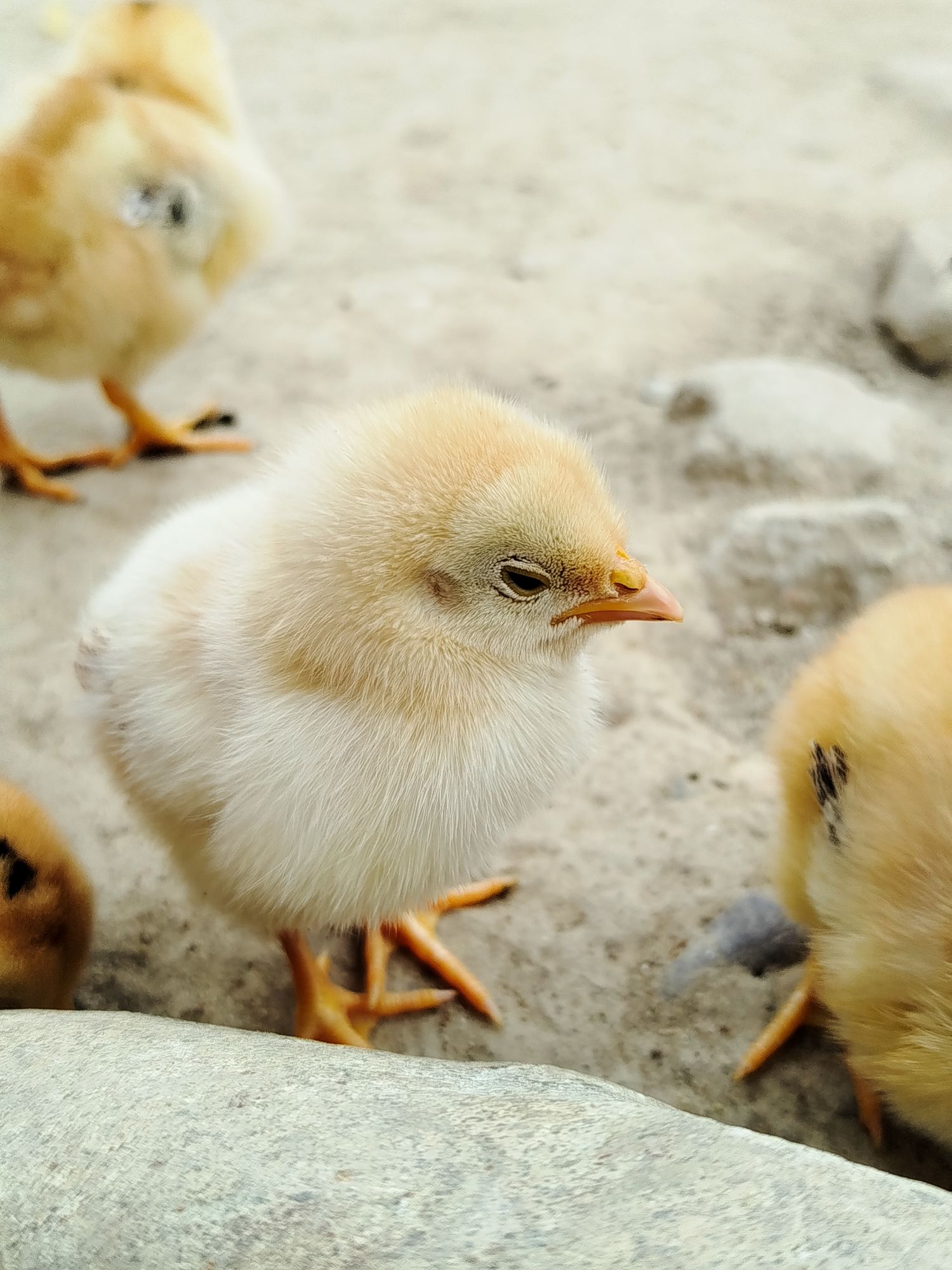
Five questions before setting eggs
- What are you trying to preserve or improve?Define temperament, health, utility and breed-standard goals. “More chicks” is not a breeding objective.
- Are both parents suitable?Do not breed from birds showing unexplained illness, poor structure, serious inherited defects or aggressive temperament.
- Can you prevent close inbreeding?Keep parentage records and understand relatedness before pairing birds.
- Where will the cockerels go?Roughly half a hatch may be male. Secure homes are not guaranteed; make this decision before incubation.
- What if the hatch goes badly?Know your welfare thresholds, emergency support and humane options before emotion is high.
Two hatching routes
Broody hen
Biological care, less control
- Hen controls turning and warmth.
- Requires a genuinely committed, healthy broody.
- Needs a secure, quiet nesting and chick area.
- Still requires monitoring and a contingency plan.
Incubator
More control, more responsibility
- Requires stable conditions and calibrated monitoring.
- Power interruption and equipment error become your responsibility.
- Needs a prepared brooder before hatch day.
- Records make faults diagnosable next time.
The chicken hatch cycle
Chicken eggs typically hatch at about 21 days. Forced-air incubator references commonly use about 100°F, with turning stopped around day 18, but the correct setup depends on the incubator design, calibration and manufacturer instructions.[1]
Clean and test the machine, verify readings independently, prepare the brooder and record egg identity.
Stabilise conditions. Avoid repeated opening. Candle only with a clear purpose and safe technique.
Track development, turning and air-cell change. Remove leaking or foul eggs safely.
Follow the manufacturer’s final-stage instructions. Stop routine turning and avoid unnecessary disturbance.
Patience matters. Opening the incubator repeatedly can destabilise the environment. Do not “help” a chick without competent guidance.
Move dry, active chicks to a fully prepared brooder and monitor warmth, access to water, feeding and behaviour.
Do not copy one set of numbers blindly
Still-air and forced-air machines operate differently. Sensor position, room conditions and calibration matter. Use model-specific instructions and a reliable backup instrument.
Keep breeding records that answer questions
- Parent identities and relatedness
- Dates laid, stored and set
- Incubator and sensor used
- Daily temperature/humidity observations
- Turning method and interruptions
- Candling observations
- Fertility and hatch outcome
- Chick identity, sex and later health